
While today’s browser wars are more about privacy, operating systems, and online integrations and ecosystems, that’s not the way it started.
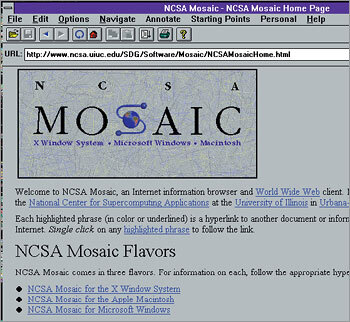
I remember getting online early with Gopher and whatever Prodigy’s built-in browser equivalent was. I then moved on to Mosaic, Netscape Navigator, Internet Explorer, and eventually the first Mozilla.
In my memory, I seem to remember a preference for Netscape. It seemed to have more easily accessible technical functions. At least they were more intuitive to an inquisitive teen like myself at the time in the 1990s.
And sure, I spent more time on ICQ than any other place on the internet, followed up by IRC, my now-forgotten Geocities page, and begrudgingly AOL Instant Messenger when it was no longer only behind AOL’s walled garden.
I was a young early adopter of the internet. I enjoyed what the internet was. And while I enjoy this blog, the podcast, and the many friends and relationships I’ve formed since those days, I will say, not all changes to the internet have been great, especially how two great Evil A’s have destroyed what I remember: Advertising and Algorithms.
But this is about browsers, not about what the internet has become. It is about the portals we once used to access the world wide web.
I’ve mentioned my earliest browsers. After those came Firefox, followed by my first experience with Safari (I’ve been using Windows more than iOS in my lifetime), Opera, and Google Chrome.
Eventually, I even toyed around with Vivaldi and most recently DuckDuckGo. In case you’re wondering, despite the rebrand, I still see Edge as an extension of Internet Explorer.
Looking back, and thinking about the browsers that opened the world wide web to me since the beginning, outside of Netscape, the rest just seem to blur together. Sure, Google Chrome, Microsoft Edge, and others have become privacy pariahs. Sure the Search Wars were more interesting to watch than the Browser Wars, as Yahoo, Bing, Google, and the former combatants Alta Vista, Ask Jeeves, Lycos, Infoseek, Go, Magellan, Dogpile, and Excite, all tried to vie for supremacy.
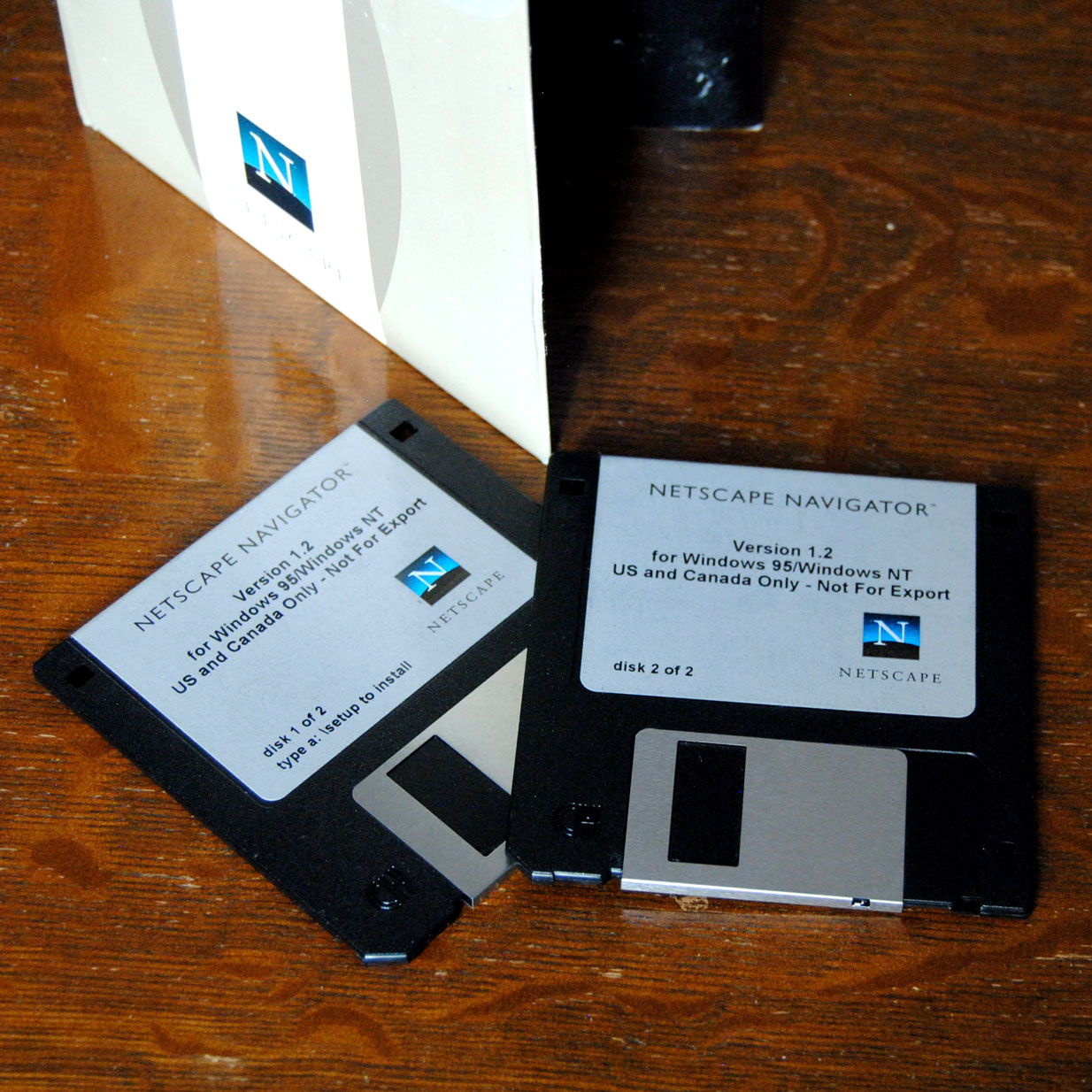
But the reason I still have the two 3.5 inch floppy discs to install Netscape Navigator version 1.2 is because I still remember it fondly. It was my main onramp to the web and seeing and learning the code that made it all work, all so I could learn or steal the code du jour for my own GeoCities endeavours.
Sure, the Search wars helped the eventual dot-com bubble to burst as all those new .com sites or companies went bust. The most cited example was Pets.com, which rolled out huge dollars to attract customers with something new and to get as much brand recognition as possible, but they never had the actual profit margin to be as valuable as they were.
But the dot-com boom then bubble, which was all made possible thanks to the browsers of the day getting people online, is worth your time to look into. Especially now, with all these AI companies making less money than their value is actually worth. It’s odd how things come around again.
My beleaguered point is that none of that, nor the internet of today you know, would have been possible had the browsers not given us easy access to the world wide web.
Given the way things have turned out, I’m sure Netscape Navigator would want as much data as Google and Edge gain by spying on us now, so perhaps it’s better left in the past.
Still, if someone relaunched Netscape Navigator with an emphasis on privacy, specifically user safety, I would be all aboard.The brand recognition alone would merit at least a double-take from most internet users over the age of 40.