Have you seen the trailer for Atomic Blonde starring Charlize Theron? Looks good right? It does, but I wanted to take a dive into the source material, because I’m that guy. So I picked up a copy of “The Coldest City,” a graphic novel, by Antony Johnston, and without spoilers, here’s my review.
Given her job and access to the startup scene and entrepreneurs, Doree Shafrir is one of the most qualified individuals I can think of to write and comment on tech, social media, and Internet culture at large.
With “Startup: A Novel,” she did in a way. But she wraps those comments about media, including journalism, in a compelling story of harassment.
Declarations of War is a collection of short stories; 13 to be exact, a baker’s dozen if you will. Of, exactly what you would expect, war… But the title goes deeper. Each of these short stories contains a declaration about war. But that’s not as good of a title, though it could be argued that these stories are declarations on war, which makes sense despite the fact that my spell checker thinks “declarations on war” was a mistake. No, I meant it.
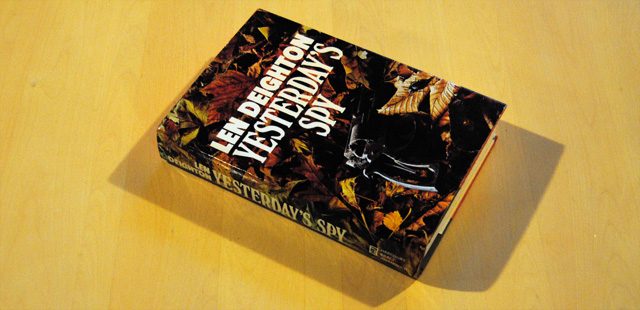
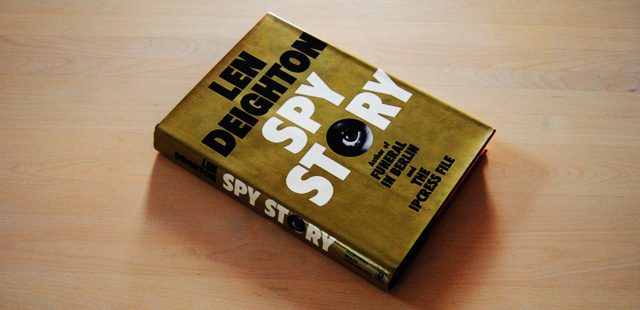
And like Deighton’s full size novels, I’m basing this off of the one’s that I have read. this story is a wealth of great intelligence in storytelling, dialogue, and of course, precisely written descriptions and detail.
Before I picked up George Lucas: A Life by Brian Jay Jones, I had seen most of his movies and presumed to know much of his story building an empire, making movies and innovations. And well, I was wrong. I knew very little, but I know more now, because the book is a fantastic read.
As biographies go, specifically unauthorized ones, this one may be one of the best, because it is so well researched that citations at the back of my hardcover copy merit 51 pages to list them all. Here’s the other thing, I didn’t know it was an unauthorized biography until I read the “Acknowledgements” at the end of the book. That’s how in depth and well written and thoroughly researched it is.
Despite the fact that Console Wars by Blake J. Harris is about Sega rising to the top to dethrone Nintendo before slowly, painfully, and publicly falling out of consoles all together, this book is mainly about marketing, big ideas, and Tom Kalinske.
Now, I don’t mean that as a slight. Kalinske is a fascinating individual; the man came up with He-Man when he was at Mattel, after all. But the book does generally paint Nintendo as the bad guy despite the fact that Nintendo ultimately wins or at least won the 1990s.