
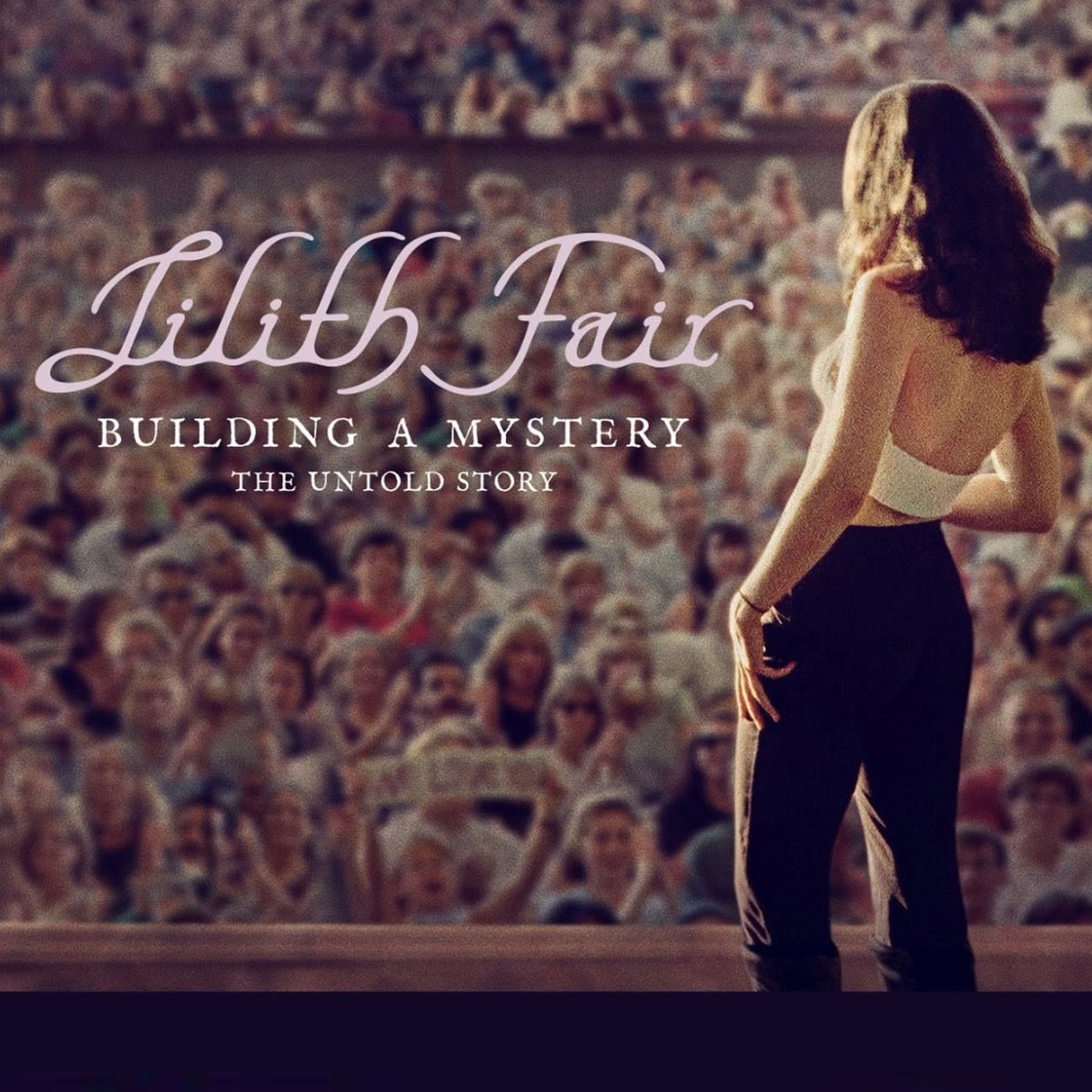
I don’t know if this is the correct takeaway from Lilith Fair: Building a Mystery, but it seems to me the “loud hate” minority is much more powerful than the massive “love and let live” majority.
By all accounts, Lilith Fair was an outrageous success. Yes, it took its toll on founder Sarah McLachlan. After all, in three years, it played 134 dates across 54 cities and raised more than $10 million for women’s shelters and non-profits.
It was a bright star on the annual concert lineup from 1997 to 1999 that focused on the music and building a community. That should arguably have made it the bigger of the concert spectacles, but alas, we remember the eventual travesties of Woodstock 1999 more.
There are quite a few things here that could easily be deserving of their own documentary. Perhaps it’s a bit of the nature of the fight for equality that women are still fighting, but a documentary about building a festival from scratch also includes a discussion about how many of the artists on the tour discuss being “alone.”
There was clearly something the music industry did to pit women artists against each other, because it felt as if there could only be one. But this isn’t Highlander. The music industry of the late 90s only wanted one token female singer/songwriter to chart. For whatever reason, they decided that this abundance of women’s talent, which made up much of the bill of Lilith Fair, was too much all at once.
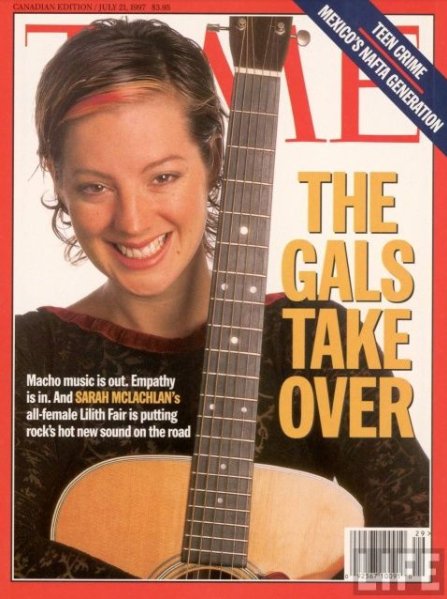
What should have been celebrated in the industry – a proverbial boon of album sales for all – turned into Sarah’s idea for having to do it herself to build something that they could all enjoy together. Lilith Fair was a space where Sarah, Jewel, Sheryl Crow, and Lisa Loeb didn’t have to fight for just one spot on the radio; it was something they could all share on a unified stage from which all could be heard.
Lilith Fair championed “Capitalism for a Cause,” in looking for sponsors that shared the same cause. They created a village atmosphere. Perhaps the most upsetting part of the documentary is how the change they forged and the community they built was somehow pushed away and marginalized – so much so that the 2010 revival of the tour wasn’t successful.
We need to do better.
It really just pains me to know that the progress of our mothers, the progress women have had overall, since the 1960s, and the addition of voting rights and suffrage back to the 1920s, and what I assumed were strides in the 1990s, as well, appear to have been all for naught.
I don’t deny that there was work to do, even back then. I’m just saddened that it’s still the same work as before. Progress for women seems to have taken a few steps back yet again, and that’s not even counting the recent loss of their bodily autonomy.