
Now, more than ever, may be the time to unplug, unwind, and spend as much analog time as you possibly can.
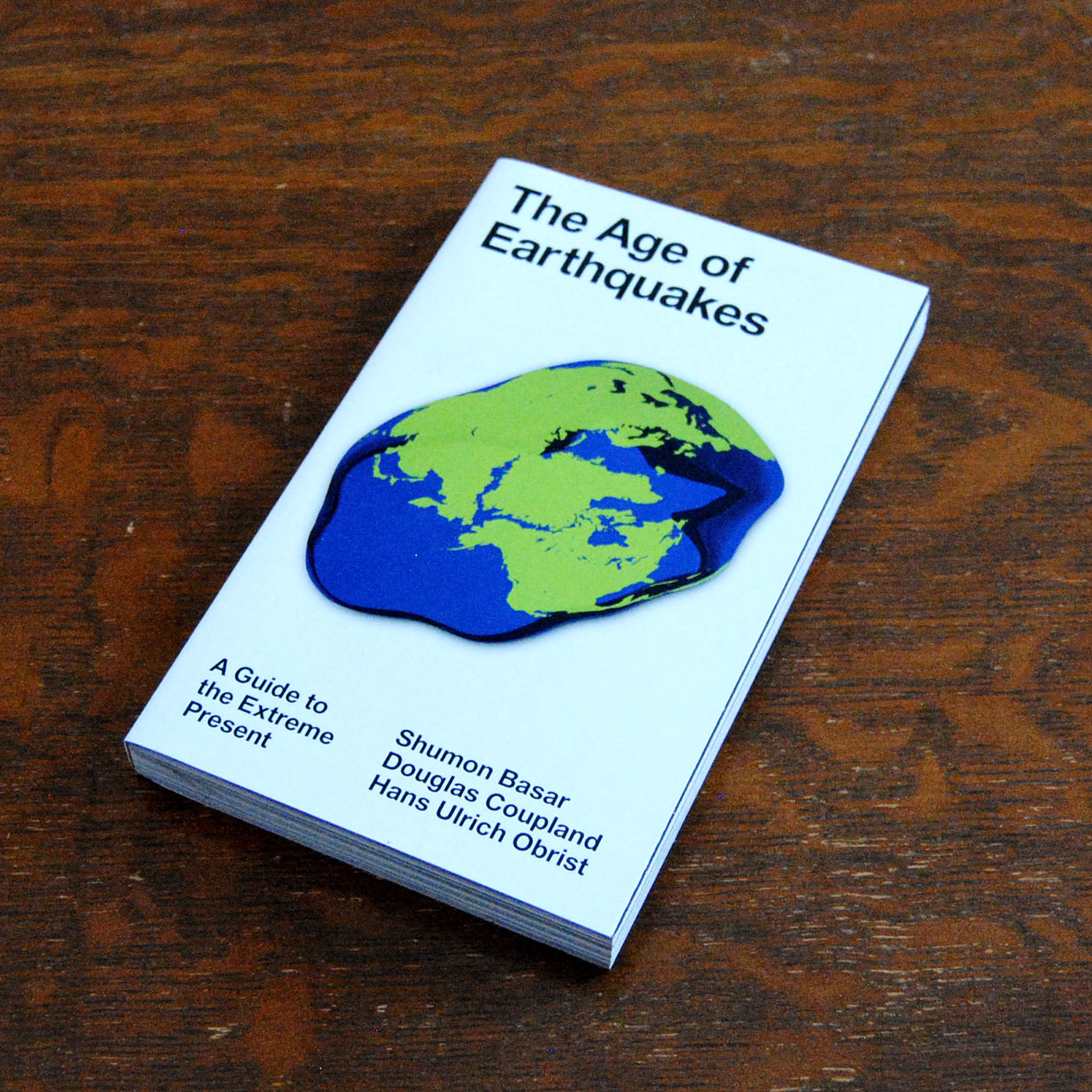
At least that’s the argument that I think authors Douglas Coupland, Shumon Basar, and Hans Ulrich Obrist have made in “The Age of Earthquakes: A Guide to the Extreme Present.”
Age of Earthquakes is not conventional as a guide or book. Its pages are full of abstract or detailed black-and-white photos with high-contrast text laid on top to be as legible as possible.
Some pages contain simple thoughts like, “The bulk of human activity is the creation and moving of information,” or, “Healthy people are bad for capitalism.” Some are essays with no background image at all, with white paragraphs on a black void or black text on a white page. Some of it is written sideways as paragraphs or just a large thought, like, “Protect me from what Amazon suggests I want,” spread across two pages and ignoring that the spine is horizontally placed across the middle of the line.
Again, it is not a conventional book, which might make it quintessentially Coupland. That’s probably because he is an artist and a writer among his many hats. Playing with form is something he’s done with published works since the wonderful text in the margins of his debut novel Generation X.
The thought-provoking nature of this “Guide to the Extreme Present,” published in 2015, is still resonant and relevant more than a decade on.
How has the internet and its constant flow of information, anonymity, community, and commerce changed us as a species?
The book doesn’t contain the answers, but it seems to be asking what feels like the correct questions.
“Have you maybe noticed that… … our lives are no longer feeling like stories?”
“Where does personality end and brain damage begin?”
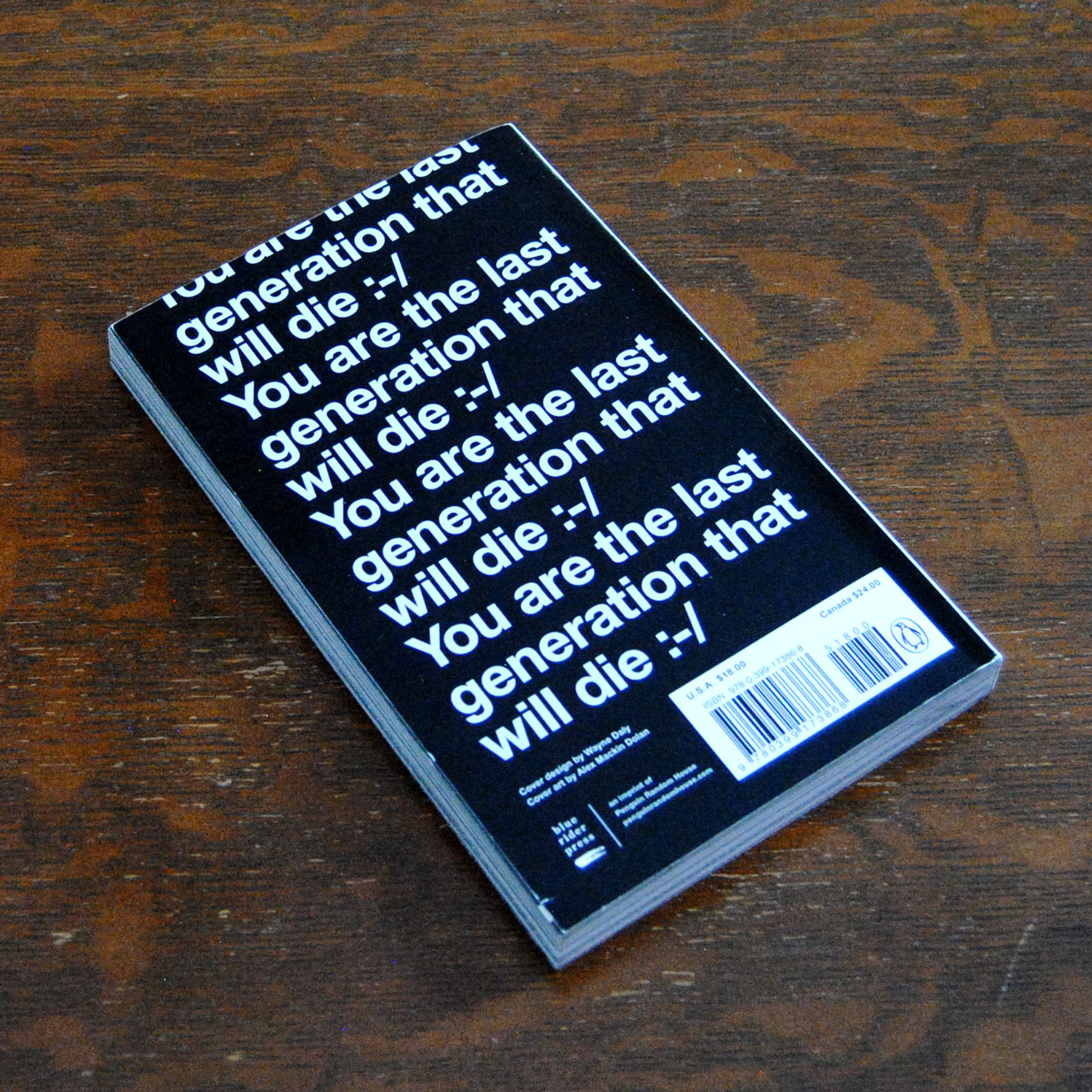
It’s also making statements that are supposed to engage your brain:
“The internet makes you smarter and more impatient.”
“Technology often favors horrible people.”
All of this thinking from reading this book has led me to the conclusion that Age of Earthquakes is an argument for analog.
I’m generally in favor of unplugging. Not like a Luddite, mind you, but definitely in favor of putting mobile devices away, watching something long-form on TV, be it a movie, a YouTube essay, or a few episodes of an actual television show. I’m also a huge fan of reading physical books, actively listening to music (as opposed to passively listening to it), and talking to other people. All of those choices feel very analog, even if done with digital help.
Now, the people who are addicted to their phones also can’t seem to pick up phone calls on those devices when they actually occur. I’m not sure if that’s a symptom or a feature of our modern phones.
The point is, this book covers the start of many conversations about technology and our collective and personal relationships to it. While I was predisposed to think analog was the answer based on my hobbies and interests, for me, Age of Extinction further enforced that point.
I would also note that I read this by myself. As a book club or a read-with-friends kind of book, this would make for the start of some very fun and intriguing conversations. While 2015 is over a decade ago, I don’t think the relevance of the conversations started by this book and the artistic pages therein are going to go away anytime soon.
In that regard, Age of Earthquakes may seem ageless – at least for now.
Read the Secret File of technical information and quotes from Age of Earthquakes.