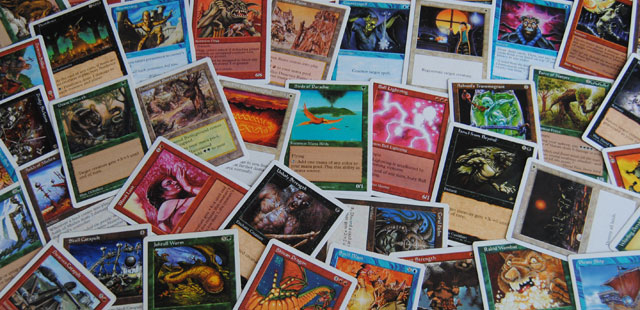
Magic: The Gathering’s Fifth Edition was released March 31, 1997, with 429 cards, not including Basic Land and at its heart, Fifth Edition was very much an amalgamation of many different sets.
Declassify >Old School Magic
Of all things Geek. I am…
Magic: The Gathering’s Fifth Edition was released March 31, 1997, with 429 cards, not including Basic Land and at its heart, Fifth Edition was very much an amalgamation of many different sets.
Declassify >
Fan Festivals are like Comic Conventions, with a lesser emphasis on comic books themselves. So, I had a few expectations when I attended the 2014 Lehigh Valley Fan Festival this past weekend.
It exceeded my expectations, although I’m not sure if it was, in spite of or, because of it’s unique location in Allentown Brew Works; a multi-level brewery, restaurant, nightclub and event hall, all in one.
Declassify >
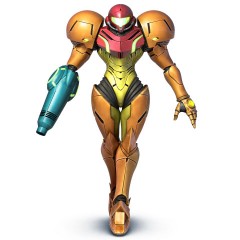
A friend recently drew my attention to the IGN podcast discussing whether or not a new Metroid game would help or hurt the Wii U.
It’s an intriguing arguement that, if nothing else, attempts to balance ongoing criticism of Nintendo’s lagging Wii U sales with praise over what perhaps is the greatest trilogy of first-person shooters and certainly the history of one of the first female video game protagonists.
My quick answer? It cannot hurt.
That, however, comes with qualifications.
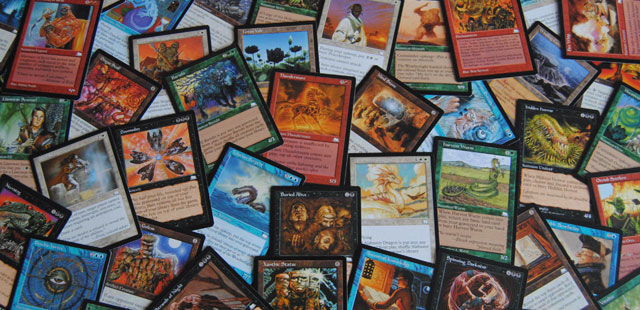
On February 3rd, 1997, Wizards of the Coast released Visions, an expansion set for Mirage, which was very much like Alliances was the expansion for Ice Age. It expanded upon the new rules from Mirage of Phasing and Flanking, as well as the charms and Enchant Creature or Instant cards.
Declassify >
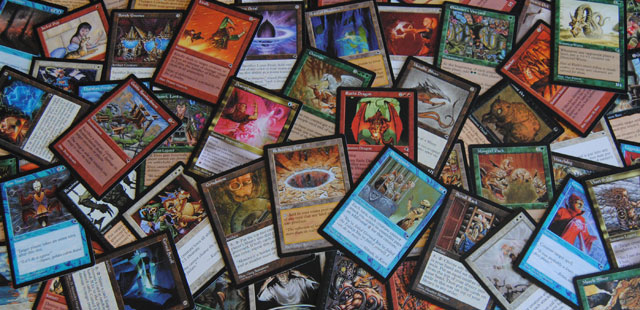
On October 8th, 1996, Mirage was released, as a stand alone set similar to Ice Age, for Magic: The Gathering. It had the feel of Ice Age, but was much more balanced and introduced many new card types, such as Charms and Tutors, as well as, adding new tribes and bolstering existing ones. Mirage also created additions to the rule book by adding two new rules; Flanking and Phasing.
Declassify >