
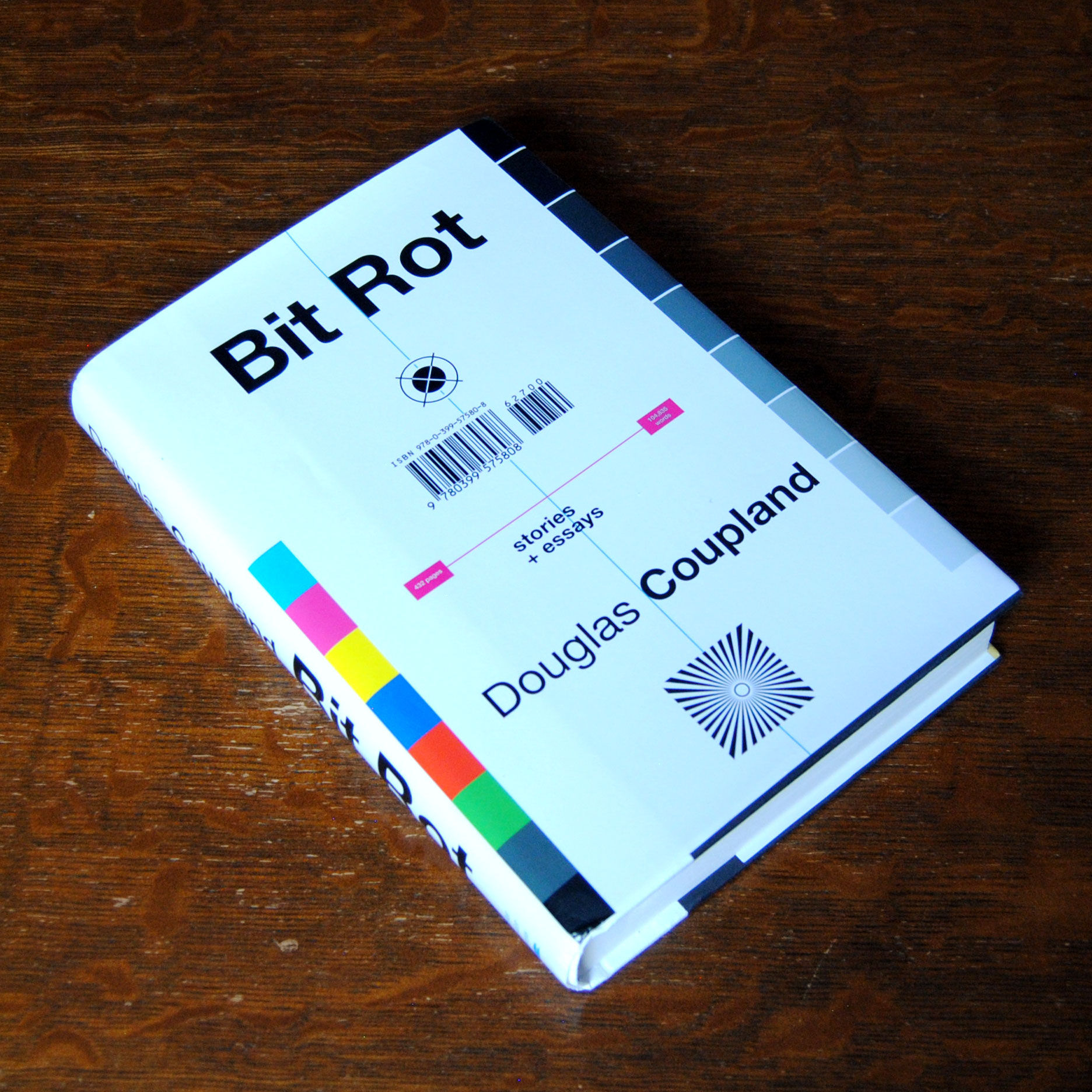
As someone who has, at this point, read almost every easily accessible published work of Douglas Coupland, this book is something of a crescendo.
“Bit Rot” is shorts and essays, from some things I have read and many that are new to me. But it is the crux of the book’s essence that’s amazing to experience.
He describes the book as a shedding of his old brain. This collection really does feel like, as he describes, “the way my brain has been feeling since 2000, as I shed older and weaker neurons and connections and enhance new and unexpected ones.”
He also explains it as tracing “my odd voyage from the twentieth-century brain to the twenty-first.”
And here’s the most important thing. I believe, as much as I try to stay away from mainlining the internet, social media, and the like, we’ve all moved on from our twentieth-century brains. Heck, those of us in our middle-ages are watching our parents spend more time on devices designed to rot brains than we were allowed with television, which was only supposed to have rotted our brains.
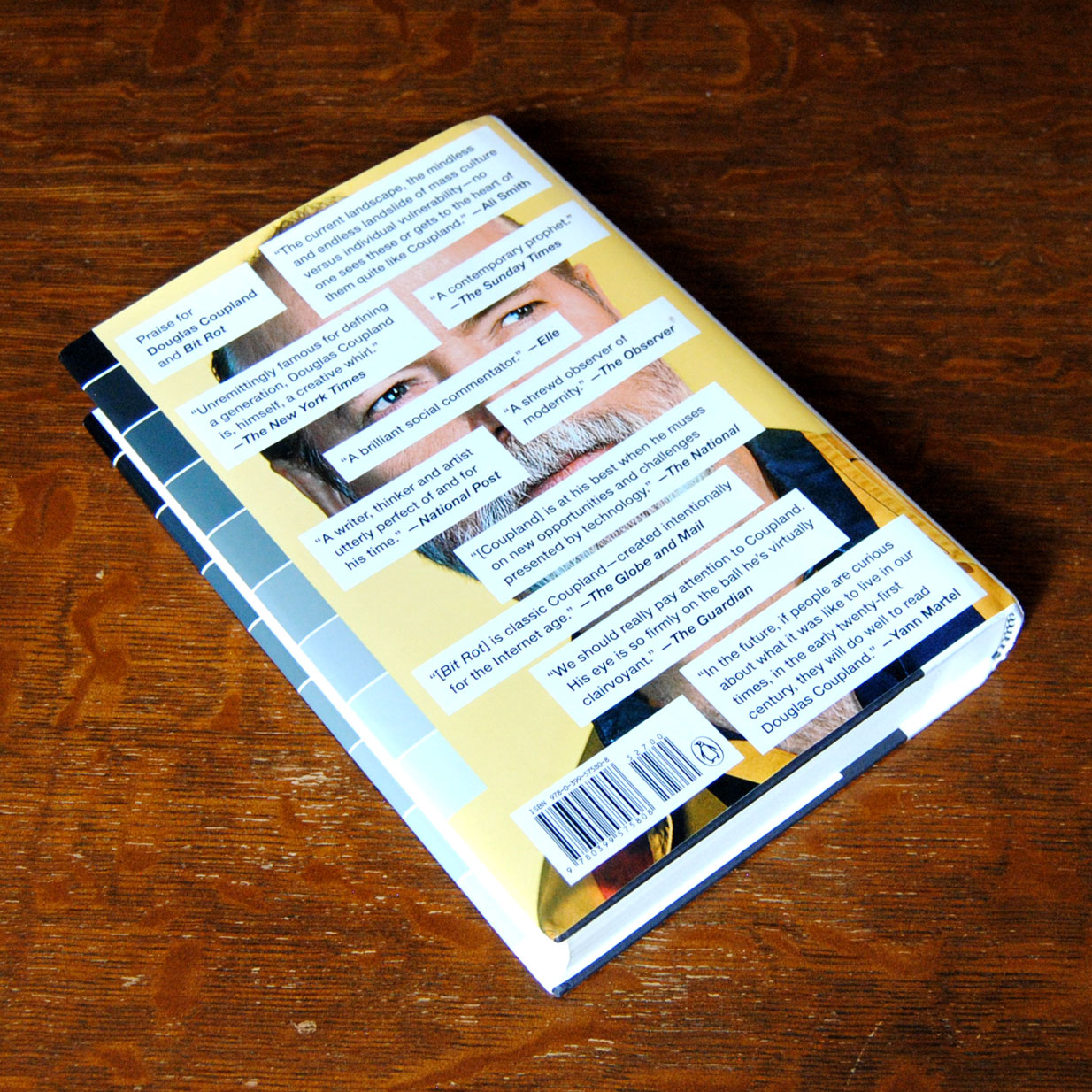
For people that have never experienced Coupland, this book is a pretty solid entry point. For fans, this book is the natural progression of his Generation X origins to the modern times. First published in 2017, even with a global pandemic occurring in the decade since it was written, these essays and shorts hold your attention and demand engaging in thought-processing.
“Starbucks needs an express lane. Do they ever count how many customers leave because they don’t want to wait for ten minutes behind useless people ordering complicated, useless beverages?” As the kind of simple coffee drinker I am, this is just arbitrarily true to me.
“Is it healthy to live in the future? I suspect not. We’re not really built for permanent high-speed change–accelerated acceleration.” Doesn’t it feel like everything was healthier before? Before what, you ask? Results may vary.
“At what point are we dishonoring the soul with medication?” I don’t medicate if I can help it. But if I did, this would get me to reconsider.
“Part of accepting the future is acknowledging that some things must be forgotten, and it’s always an insult because it’s always the things you love. We lost handwriting and got Comic Sans in return. That’s a very bad deal.” Ok, so this one should be a no-brainer. This was a VERY bad deal!
“We may well look back at the 1990s as the last good decade.” Well, having grown up in the Nineties myself, I find this to be true. And yet, when Captain Marvel time-traveled the Marvel Cinematic Universe, I was blown away at my own teenage nostalgia for those Nineties.
Those are just five examples I’m very happy to share with you, but they are sentences and paragraphs from essays and short stories that demand your attention, even if your attention span isn’t what it used to be. Besides, reading a short story and one essay a day isn’t the worst thing you can do with half an hour.
Then again, you could go online and doomscroll some more.